Mental Health Blog : Therapy Tips, Coping Tools, and Resources in Fort Worth, TX
Table of Contents
(MOST RECENT TO OLDEST)
You Don’t Have to Earn Rest Before You Take It
8 Things to Let Go of Before a New Season Begins
How to Tell if You’re People-Pleasing vs. Being Kind
12 Coping Skills That Don't Involve "Just Think Positive"
8 Small Rituals That Help You Feel More Present
What “Survival Mode” Really Means and How to Know If You’re In It
Queer Resources in Fort Worth and Nationwide: Support for LGBTQIA+ and BIPOC Communities (Updated)
Why Do I Feel Responsible for Everyone Else’s Emotions?
10 Small Habits That Support Emotional Healing
How Long Does Therapy Take to “Work”?
How Do I Find the Right Therapist for Me?
What Happens in a First Therapy Session? (What to Expect)
8 Ways Perfectionism Functions as a Form of Self-Protection
Are You Anxious or Were You Just Never Allowed to Rest?
5 Things Self-Love is Not (According to a Trauma Therapist)
Therapy vs. Self-Help: Knowing When You Need More Support
Using the Winter Solstice as a Trauma-Informed Reset
Holiday Boundaries for People Who Were Never Allowed to Have Them
How to Build Belonging in a Disconnected World
How to Work With (Not Against) Your Inner Critic
Fort Worth Community Resources: Local Organizations Offering Safety, Advocacy, and Legal Help
Boundaries: They're More Than Just Saying No
How EMDR Can Help Make Distressing Memories Less Intrusive
The Loneliness of Being the First One to Break a Cycle
Why I Do This Work: A Therapist Reflects on Healing and Hope in Uncertain Times
Queer Resources in Fort Worth and Nationwide: Support for LGBTQIA+ and BIPOC Communities
Queer-Affirming Therapy: What It Is and Why It Matters
Mental Health Awareness Isn’t Just For May: How to Keep Caring for Yourself Year-Round
Can I Benefit From Trauma Therapy If I Don’t Remember Anything “Bad” Happening?
Your Privacy Matters: Why I Opt Out of Insurance Panels as a Private Pay Mental Health Therapist
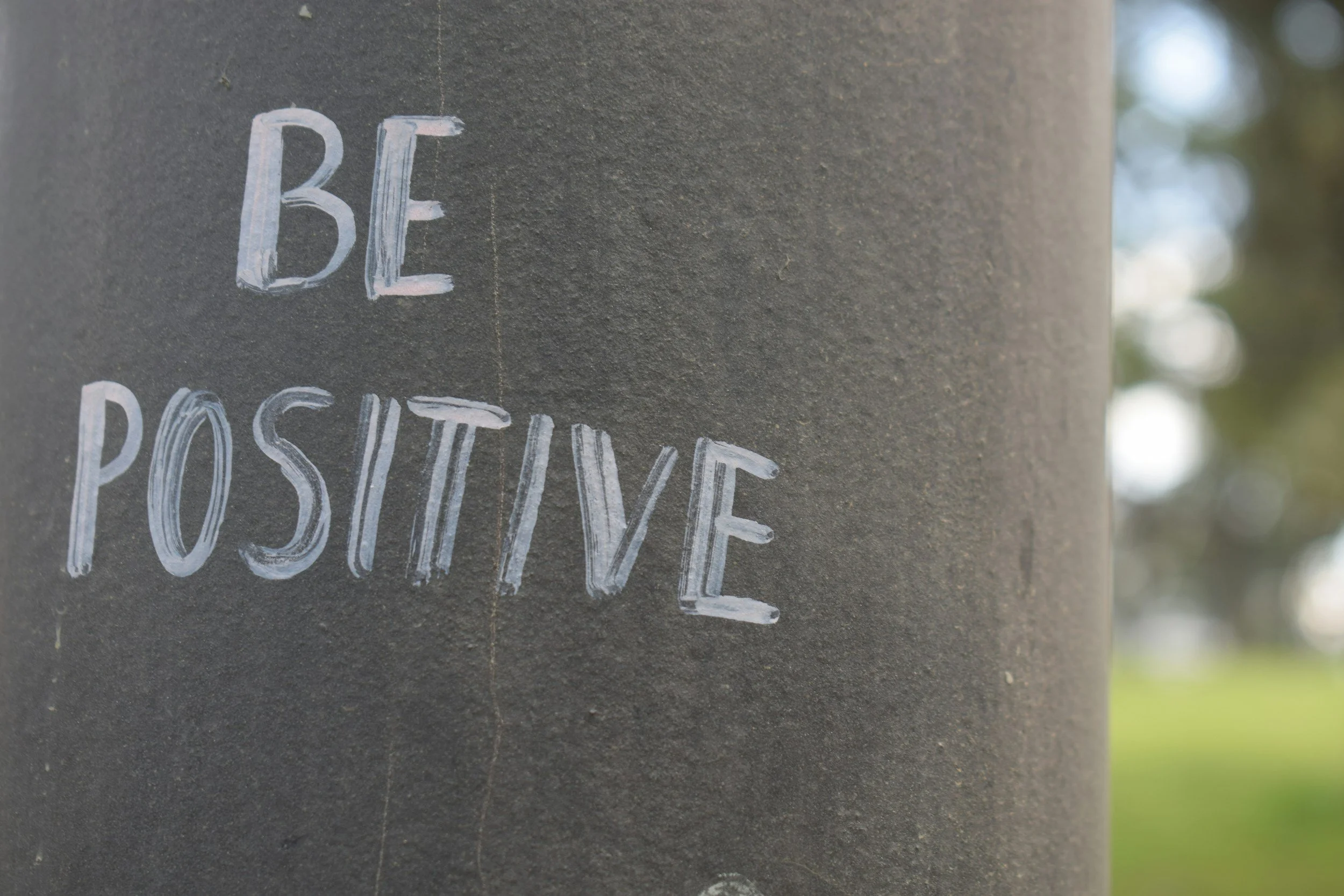
12 Coping Skills That Don't Involve "Just Think Positive"
Many of us have heard advice like: "just stay positive." or "everything happens for a reason." or frustratingly, "look on the bright side." While these statements are often well-intentioned, they can leave people feeling misunderstood. Healing isn't about convincing yourself everything is okay when it isn't. Real coping skills help you move through emotions instead of bypassing them completely. In this blog, you'll learn twelve coping strategies that support emotional regulation without the toxic positivity.
Why the Saying, "Just Think Positive" Really Doesn't Work
Optimism is always welcome, but there’s a time and a place plus a fine line where it can become emotional avoidance. Emotions cannot be solutioned away. Trauma and stress affect the nervous system, not just optimistic thoughts. Validation often reduces stress more than self-criticism or emotional avoidance.
1. Name What You're Feeling
Instead of: "I shouldn't feel this way." or “Other people have it worse”
Try: "I'm noticing sadness.", "There's disappointment here.", "Part of me feels afraid."
Labeling can help increase social awareness and reduce emotional intensity. It can create distance from what you’re feeling without disconnecting from it. Instead of I’m angry, it’s I notice that I feel angry.
2. Ground Yourself in the Present
Grounding works to help the nervous system recognize where you are in the present moment and clarify that you are safe (physically, emotionally, energetically, etc.) Some grounding techniques are:
5-4-3-2-1 exercise (label 5 things you see, 4 things you can tough, 3 things you can hear, 2 things you can smell, and 1 thing you can taste)
Feel both feet on the floor and push into the ground
Hold something cold or warm
Notice colors around you
3. Practice Self-Validation
Instead of immediately going to self-dismissal mode, ask yourself if what you’re feeling makes sense to you in whatever context you’re in. Validate your feelings and know that they will pass with time.
4. Move Your Body
The focus is regulating your own nervous system, we’re not trying to have a whole HIIT workout. This can look like stretching, walking, dancing, shaking out tension, rocking, or yoga movement.
5. Get Curious Instead of Judgmental
It’s so important to build a better relationship with yourself by acting as your own friend instead of your own worst enemy. Get curious and ask what is happening in or around your body and mind instead of going to “what’s wrong with me?” Self-compassion goes a long way.
6. Breathe for Regulation
Breathing activates our parasympathetic nervous system which is our rest and digest system that can calm us down when we’re in fight or flight mode. Breathing intentionally with longer exhales, sighing, and box breathing can help signal to your brain that you are safe.
7. Create a Small Comfort Ritual
Rituals help signal predictability and safety so some ideas are rituals involving your:
Favorite tea/coffee
Cozy blanket
Lighting a candle
Journaling
Music
Holding a warm mug
8. Connect With Someone Safe
Connection regulates the nervous system so lean on your support system!! This can be friends, family, therapists, and/or partners..
9. Focus on the Next Step
How do you eat an elephant? One bite at a time. What a weird saying, but it still holds true. You don’t have to have your whole life figured out and planned because that’s just plain overwhelming, just figure out what you’re going to do in the next five-minutes, in the next hour, in the next day. By thinking in the near future, it can reduce decision and task paralysis.
10. Give Your Feelings a Place to Go
Emotions often expel energy when felt and they move throughout the body so they don’t get stuck or suppressed. Some examples to move your feelings can be to::
Journal
Use a Voice memo
Draw
Cry
Make art
Write an unsent letter
11. Notice the Narrative You're Telling Yourself
This can bring self-awareness to negative core beliefs or responses based in fear. Notice what comes up for you and if it’s a pattern. The narrative can be similar to:
"I'm failing."
"I'm too much."
"No one cares."
12. Let Both Things Be True
We’re human and we’re so complex and nuanced. It’s okay and encouraged to feel all the emotions all at once, even contradictory ones like gratitude and anger or feeling anxious, yet capable, and even missing others, but wanting to move forward. This can increase emotional capacity and familiarity.
What Healthy Coping Actually Looks Like
Healthy coping does not mean never crying, never struggling, always being productive, and always feeling grateful. Healthy coping often looks like:
Feeling emotions without becoming consumed by them
Meeting yourself with compassion
Returning to the present
Asking for help
Choosing small acts of care
Healing is less about avoiding difficult emotions and more about building your capacity to move through them.
You don't have to force yourself to be positive to be making progress. Sometimes the bravest thing you can do is acknowledge what's true, offer yourself compassion, and take one small step forward.
Sam Villarreal, MS, LPC, LCDC