Mental Health Blog : Therapy Tips, Coping Tools, and Resources in Fort Worth, TX
Table of Contents
(MOST RECENT TO OLDEST)
Why You Might Feel Worse Before You Feel Better in Therapy
10 Ways to Celebrate Samhain as a Practice of Reflection
You Don’t Have to Earn Rest Before You Take It
8 Things to Let Go of Before a New Season Begins
How to Tell if You’re People-Pleasing vs. Being Kind
12 Coping Skills That Don't Involve "Just Think Positive"
8 Small Rituals That Help You Feel More Present
What “Survival Mode” Really Means and How to Know If You’re In It
Queer Resources in Fort Worth and Nationwide: Support for LGBTQIA+ and BIPOC Communities (Updated)
Why Do I Feel Responsible for Everyone Else’s Emotions?
10 Small Habits That Support Emotional Healing
How Long Does Therapy Take to “Work”?
How Do I Find the Right Therapist for Me?
What Happens in a First Therapy Session? (What to Expect)
8 Ways Perfectionism Functions as a Form of Self-Protection
Are You Anxious or Were You Just Never Allowed to Rest?
5 Things Self-Love is Not (According to a Trauma Therapist)
Therapy vs. Self-Help: Knowing When You Need More Support
Using the Winter Solstice as a Trauma-Informed Reset
Holiday Boundaries for People Who Were Never Allowed to Have Them
How to Build Belonging in a Disconnected World
How to Work With (Not Against) Your Inner Critic
Fort Worth Community Resources: Local Organizations Offering Safety, Advocacy, and Legal Help
Boundaries: They're More Than Just Saying No
How EMDR Can Help Make Distressing Memories Less Intrusive
The Loneliness of Being the First One to Break a Cycle
Why I Do This Work: A Therapist Reflects on Healing and Hope in Uncertain Times
Queer Resources in Fort Worth and Nationwide: Support for LGBTQIA+ and BIPOC Communities
Queer-Affirming Therapy: What It Is and Why It Matters
Mental Health Awareness Isn’t Just For May: How to Keep Caring for Yourself Year-Round
Can I Benefit From Trauma Therapy If I Don’t Remember Anything “Bad” Happening?
Your Privacy Matters: Why I Opt Out of Insurance Panels as a Private Pay Mental Health Therapist
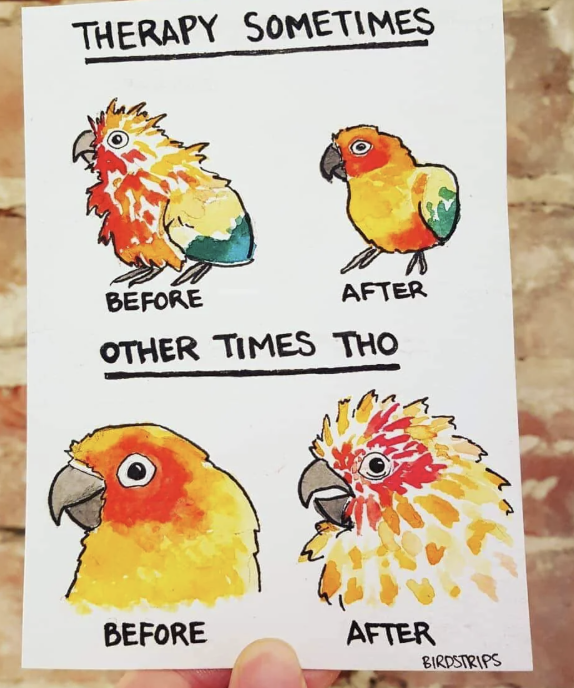
Why You Might Feel Worse Before You Feel Better in Therapy
Many people expect therapy to make them feel immediately calmer, happier, or more "put together", so when they leave sessions feeling emotionally drained, anxious, angry, or even more aware of their pain, they might wonder why. Feeling worse (temporarily) can actually be a sign that you're finally allowing yourself to experience emotions your nervous system has worked hard to avoid in order to protect you in some way. While it isn't always comfortable, it can be part of meaningful healing.
Therapy Brings Awareness Before Relief
You can't heal what you haven't had the chance to become aware of. Many people spend years, if not decades surviving by:
Staying busy
Avoiding painful memories
Minimizing/suppressing their feelings
People-pleasing
Disconnecting from their bodies
Therapy gently slows everything down at your own pace. Once those protective mechanisms aren't working quite as hard to keep you busy or minimize your feelings, emotions that have been waiting underneath often begin to surface. This can feel quite new and sometimes overwhelming, but that’s why slow and steady wins the race. This doesn't mean that therapy created those feelings, it just means that therapy made enough space for you to notice them.
Your Nervous System Is Learning Something New
Healing means asking your nervous system to do something unfamiliar, which can be scary. That might include:
Feeling sadness instead of shutting it down or immediately distracting
Setting boundaries without apologizing even though you may feel guilty
Saying no
Resting despite feeling guilty
Allowing yourself to need support and ask for support
Any change, even positive change can feel threatening when your nervous system has spent years adapting to survive. Feeling uncomfortable doesn't always mean you're moving in the wrong direction, sometimes it means you're practicing a new way of responding (you’re building new neural pathways in your brain, how cool!!).
Processing Old Pain Can Be Emotionally Exhausting
Most types of psychotherapy isn't just talking. It’s reorganizing memories, challenging long-held beliefs, feeling emotions you’ve carried alone, building new coping skills, and making different choices outside of sessions that are better for you. This all takes emotional energy and effort so it’s common to notice:
Fatigue
Brain fog
More vivid dreams
Increased emotions
Feeling "off" after sessions
This usually settles as your mind and body integrate what you're working on.
Healing Isn't Linear (cliché, but real!)
One week you might feel hopeful and then the next week you might feel like you're back where you started. Healing looks more like a mountain than a straight slope upward. Progress isn't measured by never struggling again. It's often measured by how differently you respond when the struggle shows up and how open you are to being with emotions you used to never entertain.
What if Therapy is Actually Making You Feel Worse
While temporary discomfort can be expected, therapy shouldn't leave you feeling consistently unsafe or overwhelmed. I encourage you to bring it up with your therapist if you notice:
You're dreading every session
You leave feeling emotionally flooded for days at a time
Your symptoms are becoming harder to manage
You're unsure whether the pace feels right
You don't feel understood or emotionally supported.
A good therapist wants your feedback and values open communication since trust is the foundation of any good relationship (therapeutic or not). Healing isn't about pushing through or forcing anything no matter what, it should feel challenging and collaborative. I tell my clients that the goal isn’t to make you feel in pain, it’s to make you feel uncomfortable, yet still tolerable.
Ways to Care for Yourself After Therapy
The hour after therapy matters just as much as the session itself. I encourage my own clients to have a “therapy routine” regardless if the session is heavier or lighter. Pair therapy with a reward after like a sweet treat, a coffee, or even just 10 minutes of writing down what you took away from the session and utilizing breathing techniques. You might also consider:
Drinking water and eating a nourishing meal
Taking a slow walk
Journaling about what came up
Listening to music
Giving yourself permission to rest
Avoiding overscheduling immediately afterward
Therapy is exercise for your brain and body so recovery is part of the work.
Healing isn't about avoiding pain, it's about moving through it with support, compassion, and new tools. Over time, many people notice they're not necessarily feeling happy all the time, but they're feeling more present, more authentic, and more able to navigate life's ups and downs with more resilience and capacity. Therapy as a process should challenge you, but you don't have to navigate that challenge by yourself. If you're looking for trauma-informed, affirming therapy in Texas, I'd be honored to support you wherever you are in your healing journey.
Sam Villarreal, MS, LPC, LCDC