Mental Health Blog : Therapy Tips, Coping Tools, and Resources in Fort Worth, TX
Table of Contents
(MOST RECENT TO OLDEST)
Why You Might Feel Worse Before You Feel Better in Therapy
10 Ways to Celebrate Samhain as a Practice of Reflection
You Don’t Have to Earn Rest Before You Take It
8 Things to Let Go of Before a New Season Begins
How to Tell if You’re People-Pleasing vs. Being Kind
12 Coping Skills That Don't Involve "Just Think Positive"
8 Small Rituals That Help You Feel More Present
What “Survival Mode” Really Means and How to Know If You’re In It
Queer Resources in Fort Worth and Nationwide: Support for LGBTQIA+ and BIPOC Communities (Updated)
Why Do I Feel Responsible for Everyone Else’s Emotions?
10 Small Habits That Support Emotional Healing
How Long Does Therapy Take to “Work”?
How Do I Find the Right Therapist for Me?
What Happens in a First Therapy Session? (What to Expect)
8 Ways Perfectionism Functions as a Form of Self-Protection
Are You Anxious or Were You Just Never Allowed to Rest?
5 Things Self-Love is Not (According to a Trauma Therapist)
Therapy vs. Self-Help: Knowing When You Need More Support
Using the Winter Solstice as a Trauma-Informed Reset
Holiday Boundaries for People Who Were Never Allowed to Have Them
How to Build Belonging in a Disconnected World
How to Work With (Not Against) Your Inner Critic
Fort Worth Community Resources: Local Organizations Offering Safety, Advocacy, and Legal Help
Boundaries: They're More Than Just Saying No
How EMDR Can Help Make Distressing Memories Less Intrusive
The Loneliness of Being the First One to Break a Cycle
Why I Do This Work: A Therapist Reflects on Healing and Hope in Uncertain Times
Queer Resources in Fort Worth and Nationwide: Support for LGBTQIA+ and BIPOC Communities
Queer-Affirming Therapy: What It Is and Why It Matters
Mental Health Awareness Isn’t Just For May: How to Keep Caring for Yourself Year-Round
Can I Benefit From Trauma Therapy If I Don’t Remember Anything “Bad” Happening?
Your Privacy Matters: Why I Opt Out of Insurance Panels as a Private Pay Mental Health Therapist
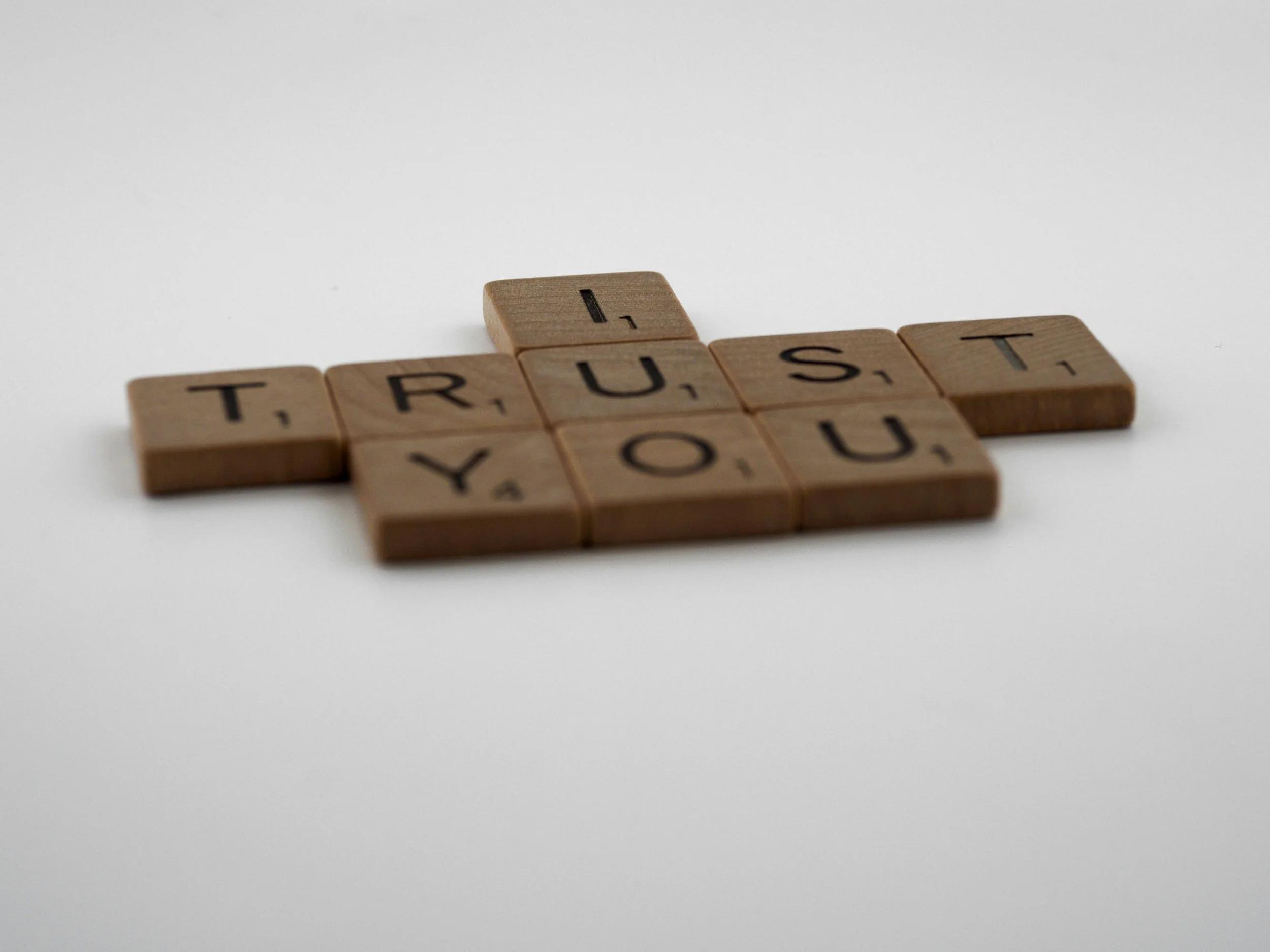
10 Small Acts of Self-Trust
Many people may not even think of self-trust as something worthy of implementing. In reality, self-trust is foundational and built through small, daily moments. It's being able to truly listen to yourself, to honor your needs, and believe your experiences without constantly seeking outside validation (although outside validation is still valid). If self-trust feels difficult, this blog is for you. Many of us were taught to question our intuition, minimize our feelings, and/or prioritize others' needs before our own. The good news is that self-trust can be taught, practiced, and built one small intentional choice at a time. Here are 10 ways you can start to build self-trust:
1. Taking Your Feelings Seriously
Instead of telling yourself you're "overreacting" or "being dramatic," just take a second and get curious about what your emotions might be trying to communicate. I’m a firm believer that emotions, feelings, thoughts, images, memories, and even dreams are ways that our body tries to communicate with us, we just have to be open to hearing it.
Try replacing immediate self-judgment with, "What is this feeling trying to tell me?"
2. Honoring Your Need for Rest
Rest doesn't have to be earned through crossing off everything on your to-do list. You’re allowed to rest when your body wants it.
Try taking a break before you're completely exhausted or even done for the day.
3. Saying No When You Mean No
Each time you say yes when you want to say no, you teach yourself that your needs are negotiable and other people’s needs/wants are of priority.
Try declining one invitation, request, or obligation that doesn't align with your capacity in the here-and-now. (Tip: start with safe people first where you aren’t as anxious or fearful of their potential reaction)
4. Following Through on a Promises/Intentions to Yourself
Self-trust grows when your actions match your intentions. Parts of you will feel more settled and less disappointed when you take care of yourself the way you take care of others so attentively.
Try choosing one small commitment and keep it, whether that's drinking more water, taking a walk after work, or going to bed at a decent time.
5. Letting Yourself Change Your Mind
Growth often means gaining new information, preferences, and/or perspectives. You’re allowed to change your mind even if that means disappointing others, but empowering yourself.
Try giving yourself permission to revise a decision without viewing it as failure.
6. Listening to Your Body's Signals
Your body often notices things before your mind does. It’s the connection between body, mind, and spirit or emotion connecting with logic.
Try checking in with your hunger, fatigue, tension, or need for movement instead of pushing through automatically. (Tip: try a guided body scan meditation to get an idea of where to check in physically with yourself)
7. Making a Decision Without Asking Everyone Else’s Opinions
We all seek input from others on big and small decisions, but constantly asking others’ their opinions can lead to not trusting your own without others’ permission. It undermines your own confidence and self-assuredness.
Try making one low-stakes decision based on what feels right to you before asking for advice. This could be what haircut you want next, what nail color is best, or what show to binge watch.
8. Believing Yourself About What Hurts
This one!! You do not need proof that something was painful before you're allowed to acknowledge its impact. Your experience is your reality and your body often knows what has been hurtful or traumatic even before you might logically know.
Try validating your own experience instead of comparing it to someone else's.
9. Respecting Your Limits
Your limits are personal to you and are only for you. Comparing your capacity to endure, or work, or do will do nothing except rob you of your peace. It’s just information, not a sign of failure.
Try noticing when your energy is draining and allow that to be enough for today.
10. Celebrating Your Own Growth
So many people add even more goals each time they make progress so it ends up being an endless cycle of striving and achieving without acknowledgement of how far you have come.
Try taking a moment to recognize something you've handled differently than you would have a year ago. (Tip: to create a habit of this, buy a journal exclusively for writing down accomplishments and progress made towards personal goals)
Self-trust is not built through big gestures, it's built through small moments of listening to yourself as much as you would listen to others, honoring your needs as much as you would honor the needs of others, and acting in alignment with your values (try to figure out what those values are first, if you don’t already). Over time, these small acts send a powerful message that you can rely and trust yourself! The next time you're waiting for permission, reassurance, or certainty, consider what it might look like to trust yourself just a little more.
Sam Villarreal, MS, LPC, LCDC