Mental Health Blog : Therapy Tips, Coping Tools, and Resources in Fort Worth, TX
Table of Contents
(MOST RECENT TO OLDEST)
10 Ways to Celebrate Samhain as a Practice of Reflection
You Don’t Have to Earn Rest Before You Take It
8 Things to Let Go of Before a New Season Begins
How to Tell if You’re People-Pleasing vs. Being Kind
12 Coping Skills That Don't Involve "Just Think Positive"
8 Small Rituals That Help You Feel More Present
What “Survival Mode” Really Means and How to Know If You’re In It
Queer Resources in Fort Worth and Nationwide: Support for LGBTQIA+ and BIPOC Communities (Updated)
Why Do I Feel Responsible for Everyone Else’s Emotions?
10 Small Habits That Support Emotional Healing
How Long Does Therapy Take to “Work”?
How Do I Find the Right Therapist for Me?
What Happens in a First Therapy Session? (What to Expect)
8 Ways Perfectionism Functions as a Form of Self-Protection
Are You Anxious or Were You Just Never Allowed to Rest?
5 Things Self-Love is Not (According to a Trauma Therapist)
Therapy vs. Self-Help: Knowing When You Need More Support
Using the Winter Solstice as a Trauma-Informed Reset
Holiday Boundaries for People Who Were Never Allowed to Have Them
How to Build Belonging in a Disconnected World
How to Work With (Not Against) Your Inner Critic
Fort Worth Community Resources: Local Organizations Offering Safety, Advocacy, and Legal Help
Boundaries: They're More Than Just Saying No
How EMDR Can Help Make Distressing Memories Less Intrusive
The Loneliness of Being the First One to Break a Cycle
Why I Do This Work: A Therapist Reflects on Healing and Hope in Uncertain Times
Queer Resources in Fort Worth and Nationwide: Support for LGBTQIA+ and BIPOC Communities
Queer-Affirming Therapy: What It Is and Why It Matters
Mental Health Awareness Isn’t Just For May: How to Keep Caring for Yourself Year-Round
Can I Benefit From Trauma Therapy If I Don’t Remember Anything “Bad” Happening?
Your Privacy Matters: Why I Opt Out of Insurance Panels as a Private Pay Mental Health Therapist
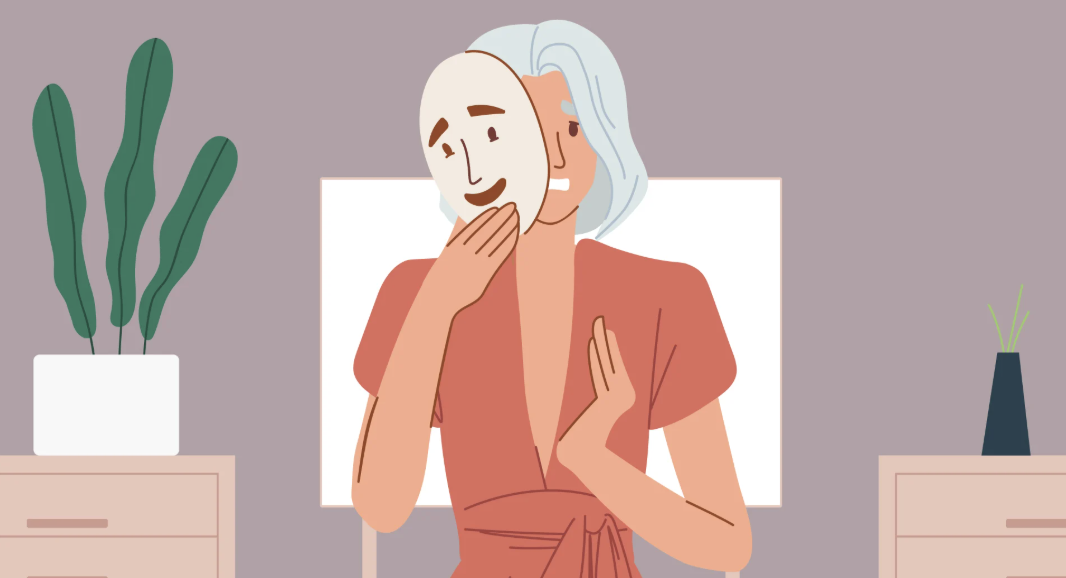
What is Masking?
For many people, especially those who identify as neurodivergent or anyone who might have needed to adapt quickly know that masking is a survival skill. Masking involves camouflaging, suppressing, or hiding parts of yourself like your emotions, needs, and personality in order to fit in and feel safer when around others. On the outside, it can look like calm and confidence, but on the inside it can be deeply uncomfortable, exhausting, and inauthentic.
What Masking Can Look Like in Adults
Masking is often invisible to those on the outside, but internally it may be:
Smiling while feeling overwhelmed
Saying “I’m great” when you’re not
Being the responsible one, the helper, the fixer
Downplaying your own needs so you don’t feel like a burden
Performance even when you feel burnt out
Many people who do mask may not identify with the idea of masking or that they were struggling since it’s been their default way of operating around others because there was no other choice if they wanted to feel safe.
Why Masking Develops and Works
Masking often forms in environments where identity and emotional expression is unsafe, unwelcome or unsupported. For example, if crying was met in a home with anger or “you better stop crying or I’ll give you something to cry about” then it was learned that expressing certain emotions meant harm and it becomes an emotional truth instead of an option. Other examples can include:
Growing up with emotionally unavailable caregivers
Hiding natural reactions like stimming because it wasn’t considered “normal”
Having to keep up with social expectations to avoid stigma or discrimination
Learning that love was conditional with how you acted
Living in households where high expectations and conflict shaped how you showed up
Although masking keeps you safe, it still comes at a cost.
The Cost of Masking
Long-term masking can lead to an internal distrust between body and mind which can feel like:
Chronic burnout that doesn’t get better with rest
Anxiety without a clear cause or event
Emotional numbness and/or disconnection from your body’s cues
Feeling unseen even in close relationships leading to withdrawal or isolation
A persistent sense of performing for others
Not knowing who you are, what you want, and what you need for yourself
Unmasking and How To Do It Safely
A common fear is that when you stop masking, everything falls apart, relationships change, you’ll disappoint others, you’ll lose control. While some of those may hold some truths like relationships changing, there are ways to start unmasking slowly and with intention. Unmasking in a supportive way can look like:
Taking an inventory of what your values are, what you don’t like, and what you don’t want
Learning to notice your body’s cues and prioritize those before what anyone else needs or what you may perceive they expect of you
Allowing yourself to rest without justification (I know, this one is gonna be hard)
Naming your needs without over-explaining yourself (needing rest is reason enough)
Letting yourself authentically be seen gradually (for some people, letting yourself be seen authentically by strangers may be easier than letting yourself be seen by loved ones even if they’re safe people because with strangers there are no pre-conceived expectations to how you’ll behave)
This is not about reinventing yourself, but coming back home to the parts of you that have felt neglected.
How Therapy Can Help
Trauma-informed therapy offers a space where masking is not required and all parts of you are welcome. Through approaches like somatic awareness, EMDR, and parts work, clients can explore:
When and why masking developed
When masking started for you
What parts of you learned to stay hidden
How to liberate those parts that were hidden
How to build safety both externally and internally
How to show up more authentically at your own pace
Healing does not require white knuckling, but it does require compassion for all versions of yourself and understanding of why these protective mechanisms were needed in the first place. If this resonates with you and you have more questions or are just curious, contact me here.
Sam Villarreal, MS, LPC, LCDC
Can I Benefit From Trauma Therapy If I Don’t Remember Anything “Bad” Happening?
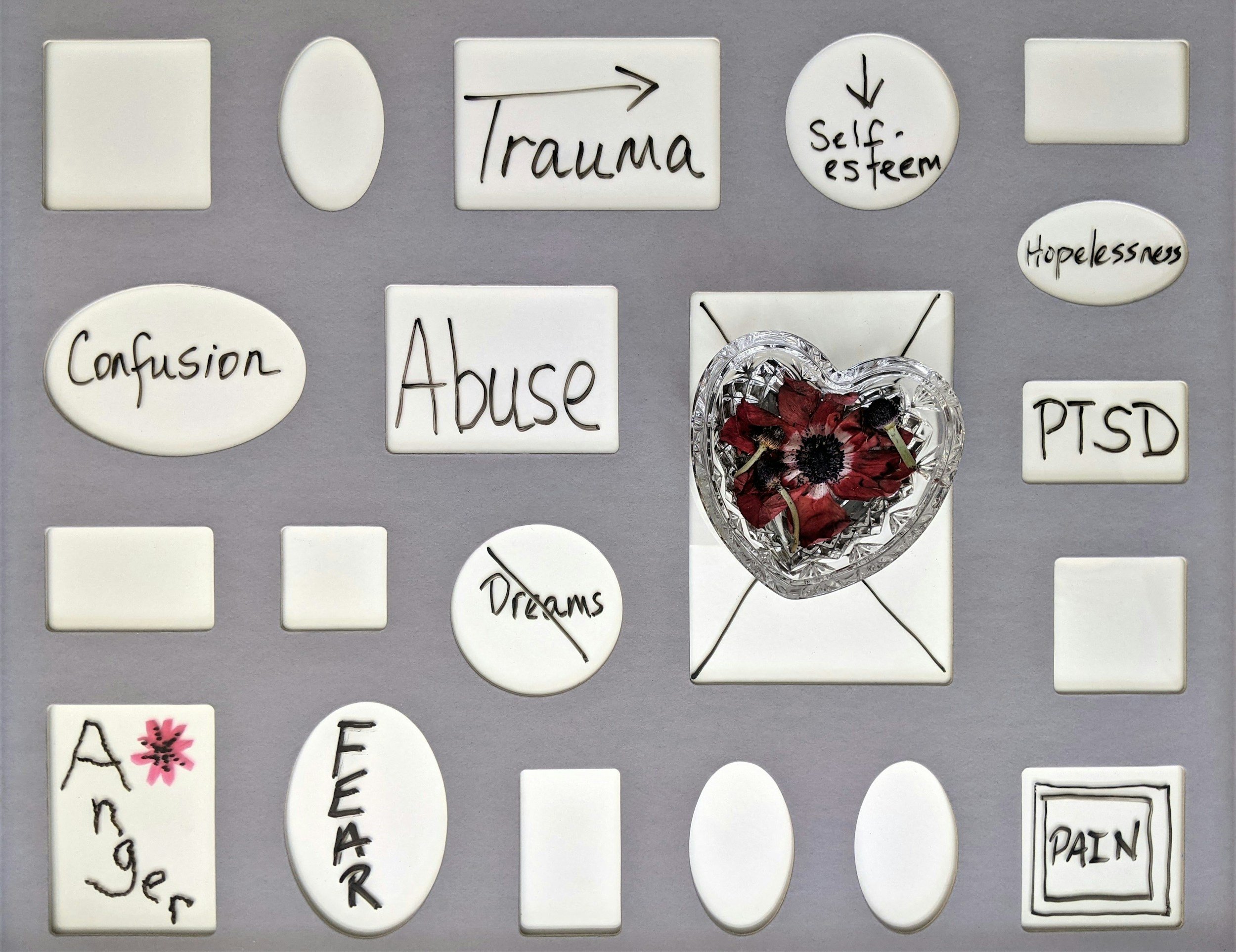
“Trauma.” It’s a daunting word and one that we hear often these days, but what does it actually mean? According to the American Psychological Association (APA), trauma is an emotional response to a terrible event like an accident, crime, natural disaster, physical or emotional abuse, neglect, experiencing or witnessing violence, death of a loved one, war, and more. The APA states that “immediately after the event, shock and denial are typical” and “longer term reactions include unpredictable emotions, flashbacks, strained relationships, and even physical symptoms like headaches or nausea.”
Examples of traumatic experiences might include being a victim of an assault, being in a major accident, or experiencing war. But what if you don’t remember a “terrible event” happening or even have memories to recall from? It simply just means that this definition isn’t all-encompassing and not all trauma is obvious or has a distinct beginning, middle or end. Sometimes the trauma is continuous, repetitive, and subtle and that is when it becomes complex trauma.
The Weight of Complex Trauma
Complex trauma can be defined as:
(1) Repetitive, prolonged, or cumulative stressors
(2) Interpersonal harm - including neglect, abandonment, or emotional abuse often by caregivers or trusted adults
(3) Developmental vulnerability times in life, especially in childhood or adolescence, though it can also occur in adulthood through attachment injuries and relationship wounds.
Instead of one clear traumatic event, complex trauma is the accumulation of small, painful moments over time. It’s the emotional neglect, the inconsistency in the caregiving one received, the mixed messages, being shamed for feelings, and feeling unsafe over time. It’s not necessarily what happened to you, but what you didn’t receive, which is comfort, attunement, validation, and empathy. These experiences have a subtle, yet significant impact that can shape how someone feels about themselves, how they relate to others, and respond to stress, often without even realizing it.
What Complex Trauma Can Feel Like
Complex trauma can vary in severity from person to person, but here are common signs.
Chronically anxious or shut down
People-pleasing tendencies or perfectionistic tendencies
Struggling with boundaries
Low self-trust
Persistent sense that something is “off”, but not knowing what or why
Oftentimes, I hear clients say things like “but others had it worse” or “I’m just being dramatic” and to that, I say don’t let your own internalized minimization keep you from seeking therapy because therapy isn’t just for the big “T” traumas or crises, it’s also for relational healing, connection to yourself, and clarity that you didn’t deserve the wounds that you received. Your pain is valid.
How Therapy Can Help
Healing from complex trauma takes time, patience, and a lot of compassion for yourself. Modalities like EMDR (Eye Movement Desensitization and Reprocessing) and IFS (Internal Family Systems) can help you reconnect with the parts of you that feel stuck in time, parts that carry shame, fear, or confusion. IFS, one of my favorite approaches, creates space to gently re-parent these parts allowing for unburdening, relief, and inner peace.
If you’re unsure of starting therapy, there are always ways to begin that involve dipping your toe in instead of diving like journaling, exploring self-help books, trying guided meditations, and becoming more curious about the different parts of you. Remember: you do not need to compare your pain to others. Your story matters and you are worthy of support, no matter your lived experiences. If you’re curious about any of my approaches listed in my therapy services page, don’t hesitate to reach out for a free consultation.I’d be honored to walk alongside you in your journey.
Sam Villarreal
Licensed Chemical Dependency Counselor and Licensed Professional Counselor Associate supervised by Melinda Porter, LPC-S