Mental Health Blog : Therapy Tips, Coping Tools, and Resources in Fort Worth, TX
Table of Contents
(MOST RECENT TO OLDEST)
10 Ways to Celebrate Samhain as a Practice of Reflection
You Don’t Have to Earn Rest Before You Take It
8 Things to Let Go of Before a New Season Begins
How to Tell if You’re People-Pleasing vs. Being Kind
12 Coping Skills That Don't Involve "Just Think Positive"
8 Small Rituals That Help You Feel More Present
What “Survival Mode” Really Means and How to Know If You’re In It
Queer Resources in Fort Worth and Nationwide: Support for LGBTQIA+ and BIPOC Communities (Updated)
Why Do I Feel Responsible for Everyone Else’s Emotions?
10 Small Habits That Support Emotional Healing
How Long Does Therapy Take to “Work”?
How Do I Find the Right Therapist for Me?
What Happens in a First Therapy Session? (What to Expect)
8 Ways Perfectionism Functions as a Form of Self-Protection
Are You Anxious or Were You Just Never Allowed to Rest?
5 Things Self-Love is Not (According to a Trauma Therapist)
Therapy vs. Self-Help: Knowing When You Need More Support
Using the Winter Solstice as a Trauma-Informed Reset
Holiday Boundaries for People Who Were Never Allowed to Have Them
How to Build Belonging in a Disconnected World
How to Work With (Not Against) Your Inner Critic
Fort Worth Community Resources: Local Organizations Offering Safety, Advocacy, and Legal Help
Boundaries: They're More Than Just Saying No
How EMDR Can Help Make Distressing Memories Less Intrusive
The Loneliness of Being the First One to Break a Cycle
Why I Do This Work: A Therapist Reflects on Healing and Hope in Uncertain Times
Queer Resources in Fort Worth and Nationwide: Support for LGBTQIA+ and BIPOC Communities
Queer-Affirming Therapy: What It Is and Why It Matters
Mental Health Awareness Isn’t Just For May: How to Keep Caring for Yourself Year-Round
Can I Benefit From Trauma Therapy If I Don’t Remember Anything “Bad” Happening?
Your Privacy Matters: Why I Opt Out of Insurance Panels as a Private Pay Mental Health Therapist
8 Small Rituals That Help You Feel More Present
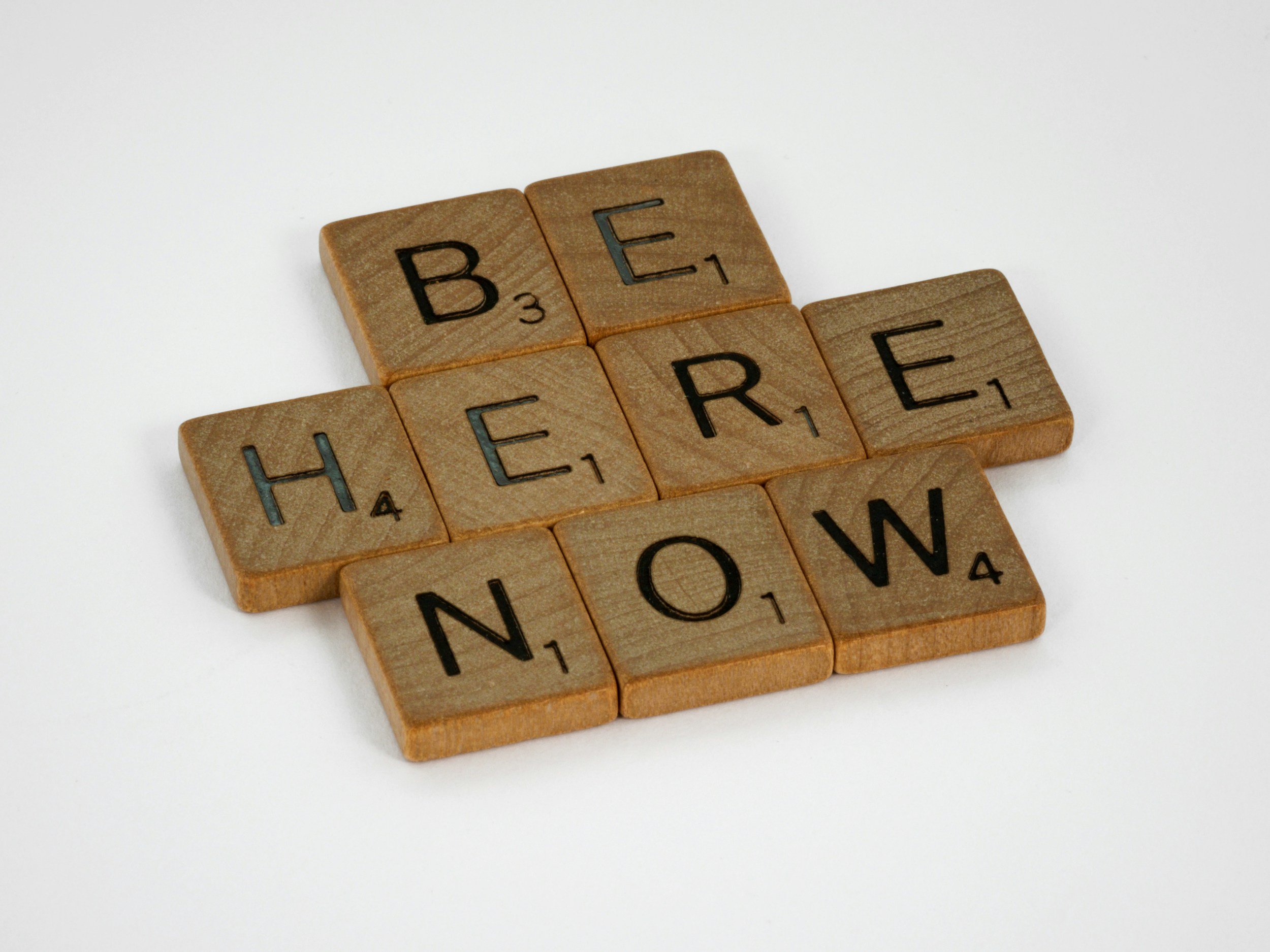
Many of us spend our days moving from one task to the next without fully experiencing any of it. This is considered being on autopilot or mindlessness (opposite of mindfulness). Between work, notifications, responsibilities, and stress, it's easy to slip into autopilot. The good news? Feeling more present doesn't require a two-hour morning routine or a meditation retreat. At its most basic definition, being present and mindful is present attention (to whatever you’re doing) without judgement. For example, something as simple as brushing your teeth can be mindless if you brush your teeth and are thinking about your tasks for the day. Turning it into mindfulness is brushing your teeth and feeling the way the bristles brush your teeth or touch your tongue. It’s thinking about the task that you’re currently doing in the present moment and just observing.
These rituals to bring you into the present aren't about doing it perfectly, they're just invitations to pause, notice, and reconnect with the moment you're already living.
1. Open a Window Before Looking at Your Phone (feel the temperature, listen for neighborhood sounds, notice the color of the sky, and take some breaths)
Instead of reaching for your notifications first thing, spend one minute noticing the world outside. This is also so good for getting your circadian rhythm into sync. Even thirty seconds can interrupt the habit of immediately jumping into "doing" mode.
2. Make One Drink Slowly (notice the aroma, the temperature, the sounds, and the movement of your hands)
Whether it's coffee, tea, matcha, or hot chocolate, treat preparing it as its own experience.
3. Touch Something Natural (watering a plant, walking barefoot on grass, holding a stone, sitting under a tree, and watching the clouds)
Nature has a way of bringing us back into the present. Engaging your senses can help shift attention away from racing thoughts.
4. Create a Two-Minute Transition Ritual (lighting a candle, washing your hands mindfully, stretching, taking deep breaths, changing clothes intentionally)
Many people move straight from one role into another, which can be hard for many people. Without a pause, your nervous system never really catches up. Small transitions tell your brain that one chapter has ended and another is beginning.
5. Eat One Meal Without Multitasking (no scrolling, no emails, no TV, just notice the flavors, the textures, your fullness, and your hunger)
You don't have to do this every meal, but even once a week can make a difference.
6. End the Day by Naming Three Moments (sunshine through the window, a time you genuinely laughed, a deep conversation, how your pet greeted you, the smell in the air)
Rather than asking whether today was "good" or "bad," ask: What were three moments I actually noticed today? This helps train your brain to recognize presence instead of just categorizing the day as “good” or “bad”.
7. Keep a Tiny "Wonder List" (a beautiful moon, a butterfly you haven’t seen before, a quote, etc.)
Instead of a gratitude journal, try writing down things that made you curious or brought a small sense of awe. Wonder often feels more accessible than gratitude during difficult seasons.
8. Light a Candle with Intention
As you light it, silently ask yourself:
What do I need today?
How do I want to show up?
What can I release for the next hour?
Presence Isn't Something You Earn
Many people believe they'll finally slow down after life becomes less busy, but presence usually isn't found in having more free time. It's built through tiny moments of noticing over and over. If you find yourself constantly feeling disconnected, overwhelmed, or like you're just surviving each day, therapy can offer a space to slow down, reconnect with yourself, and better understand what's pulling you away from the present. Together, we can explore ways to build more intention, self-compassion, and steadiness into your everyday life.
Sam Villarreal, MS, LPC, LCDC