Mental Health Blog : Therapy Tips, Coping Tools, and Resources in Fort Worth, TX
Table of Contents
(MOST RECENT TO OLDEST)
10 Ways to Celebrate Samhain as a Practice of Reflection
You Don’t Have to Earn Rest Before You Take It
8 Things to Let Go of Before a New Season Begins
How to Tell if You’re People-Pleasing vs. Being Kind
12 Coping Skills That Don't Involve "Just Think Positive"
8 Small Rituals That Help You Feel More Present
What “Survival Mode” Really Means and How to Know If You’re In It
Queer Resources in Fort Worth and Nationwide: Support for LGBTQIA+ and BIPOC Communities (Updated)
Why Do I Feel Responsible for Everyone Else’s Emotions?
10 Small Habits That Support Emotional Healing
How Long Does Therapy Take to “Work”?
How Do I Find the Right Therapist for Me?
What Happens in a First Therapy Session? (What to Expect)
8 Ways Perfectionism Functions as a Form of Self-Protection
Are You Anxious or Were You Just Never Allowed to Rest?
5 Things Self-Love is Not (According to a Trauma Therapist)
Therapy vs. Self-Help: Knowing When You Need More Support
Using the Winter Solstice as a Trauma-Informed Reset
Holiday Boundaries for People Who Were Never Allowed to Have Them
How to Build Belonging in a Disconnected World
How to Work With (Not Against) Your Inner Critic
Fort Worth Community Resources: Local Organizations Offering Safety, Advocacy, and Legal Help
Boundaries: They're More Than Just Saying No
How EMDR Can Help Make Distressing Memories Less Intrusive
The Loneliness of Being the First One to Break a Cycle
Why I Do This Work: A Therapist Reflects on Healing and Hope in Uncertain Times
Queer Resources in Fort Worth and Nationwide: Support for LGBTQIA+ and BIPOC Communities
Queer-Affirming Therapy: What It Is and Why It Matters
Mental Health Awareness Isn’t Just For May: How to Keep Caring for Yourself Year-Round
Can I Benefit From Trauma Therapy If I Don’t Remember Anything “Bad” Happening?
Your Privacy Matters: Why I Opt Out of Insurance Panels as a Private Pay Mental Health Therapist
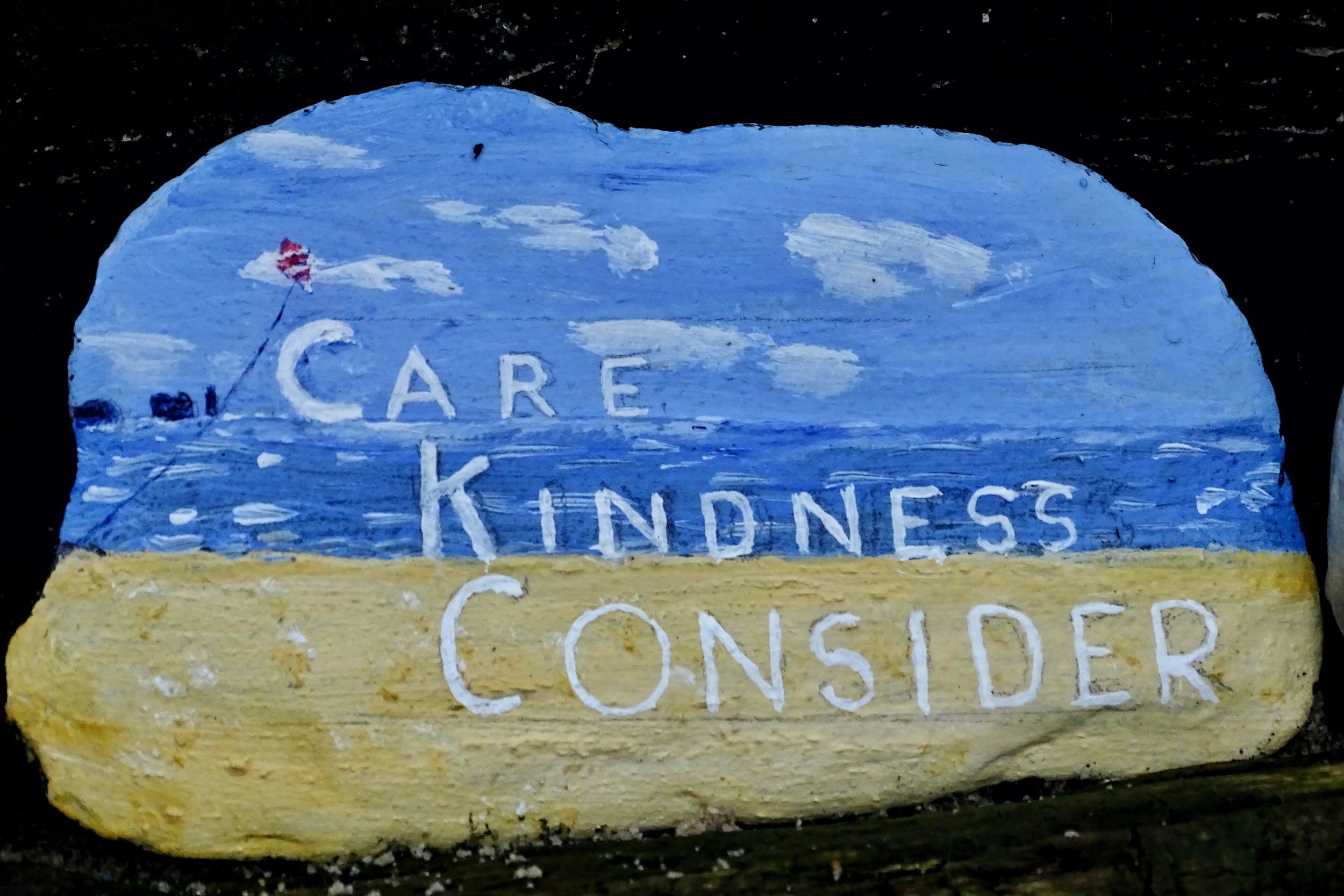
How to Tell if You’re People-Pleasing vs. Being Kind
The distinction between these two things can be very confusing and rightfully so. People-pleasing often looks like kindness from the outside and being kind can actually make people think that you aren’t being nice. People-pleasing is saying yes without even thinking. It’s accommodating others while inconveniencing yourself. All of this is to avoid conflict, keep the peace, and make it seem like you’re always dependable even if it’s to a fault. You try to make things easier for everyone else and ultimately harder on yourself. We know that you care about others and that is great, but what does it actually mean internally when you don’t say yes, when you don’t accommodate, when you don’t keep the peace?
Kindness is something you choose while people-pleasing is often something you feel that you have to do. They can both come from different motivations. You can say yes to helping a friend because you genuinely want to and have the space in your schedule to or it can be an attempt to avoid guilt, rejection, conflict, or disappointment.
What Is People-Pleasing?
People-pleasing is a way to always be amenable to others in order to protect yourself from rejection, disappointment, shame, guilt, etc. It can be a learned strategy for maintaining safety, connection, approval, or belonging. For some people, it develops in families or relationships where conflict was unpredictable, emotions were punished, or their needs were consistently deprioritized. People-pleasing can involve the following:
Automatically saying yes
Prioritizing other people's comfort over your own needs
Avoiding conflict at almost any cost
Feeling responsible for other people's emotions
Struggling to tolerate someone being upset with you
Changing your opinions to maintain harmony
Overexplaining or justifying your decisions
Apologizing when you haven't actually done anything wrong
Feeling guilty when you set boundaries
What Does Genuine Kindness Look Like?
Kindness as a behavior stems from choice rather than the need to do something to avoid something else. Healthy kindness can include boundaries. Kindness can look like:
Helping someone because you genuinely want to
Making accommodations when you have the capacity
Listening without taking responsibility for fixing someone
Giving without expecting anything in return
Considering another person's needs alongside your own
Saying yes when you actually want to
Saying no when you don't have the capacity
The Biggest Difference: Choice vs. Compulsion
Let’s go over what the difference can sound like internally. The emotional motivation behind the behavior often tells you more about where healing needs to occur.
Kindness sounds like:
"I want to help."
“I can do this.”
"They might be disappointed, but that's okay."
People-pleasing sounds like:
"I have to help."
"I technically can't, but I feel like I have no choice."
"If they're disappointed in me, I've done something wrong."
Ask Yourself These Questions Before Saying Yes
Here are some practical questions to use to check-in with yourself before automatically agreeing to something. You can ask:
Do I actually want to do this?
Do I have the capacity for this right now?
What am I afraid will happen if I say no?
Would I still say yes if I knew they wouldn't be upset with me?
Am I helping because I want to or because I feel responsible for their feelings?
Will I resent this later?
Would I expect someone else to do the same thing for me?
Am I abandoning one of my own needs to meet theirs?
Signs You May Be People-Pleasing
You might be people-pleasing if:
You say yes before checking your own availability.
You feel anxious about saying no.
You rehearse explanations for your boundaries.
You feel guilty when someone is disappointed.
You frequently agree and then feel resentful.
You worry excessively about being perceived as selfish.
You apologize for having needs.
You take responsibility for other people's moods.
You struggle to identify what you actually want.
You feel safer being useful than being vulnerable.
You avoid expressing disagreement even when you have strong feelings.
You routinely give more than you receive.
If you experience one or two of these, that doesn’t automatically mean someone is a chronic people-pleaser, it’s more so about patterns. If you find that this resonates more than it doesn’t then maybe there are some people-pleasing tendencies.
The Resentment That Follows
Resentment is a lingering feeling of anger or bitterness caused by perceived unfairness or wrong. Resentments can communicate to you that you might have agreed to something that you actually didn’t want to agree to and not necessarily that the other person is taking advantage of you. Sometimes we teach people that we have more capacity than we actually do by repeatedly overriding our own limits. This is an opportunity to examine the boundary or lack thereof rather than simply blaming yourself or the other person.
What Healthy Boundaries Actually Sound Like
Instead of:
"I'm so sorry, I wish I could, but I'm just really overwhelmed and I hope you're not mad..."
Try:
"I can't take that on right now."
Instead of:
"Whatever you want is fine with me."
Try:
"I actually have a preference."
Instead of:
"I'll do it. It's okay."
Try:
"I don't have the capacity for that this week."
Boundaries do not need to be overexplained or justified.
You Don't Have to Become Less Caring
The goal isn't to become cold, selfish, or indifferent, it’s just to have more choice and autonomy in your own decisions. You can care deeply about others and care deeply about your own needs and limits. Both things can exist. You can help people without rescuing them. You can love someone without managing their emotions. You can disappoint others without harming them. You can say no without becoming a bad person.
If you recognize yourself in these patterns, therapy can be a space to explore where your people-pleasing developed, what you're afraid might happen when you set boundaries, and how to build relationships where you don't have to abandon yourself to belong.
Sam Villarreal, MS, LPC, LCDC

5 Things Self-Love is Not (According to a Trauma Therapist)
Happy February, it’s love month! During this month, we often think of partnered love, but let’s focus on self-love for once. And no it isn’t just taking yourself on solo dates, although that is empowering, it goes a little deeper than that. Be prepared to feel a little called out (with all the love)! Here are 5 things self-love is not, according to me, a trauma therapist.
1. Self-love is not constant positivity aka toxic positivity.
You don’t need to be grateful all the time. You don’t need to compare your pain to others and look at the bright side. Feeling all the emotions like anger, grief, jealousy, sadness, or numbness doesn’t mean anything bad, it means you're a human being. Forcing positivity can increase feelings of shame and emotional suppression and that is the opposite of self-love. Self-love allows for all emotions to be expressed without judgement.
2. Self-love is not people pleasing or self-sacrificing.
Saying yes to keep the peace even when your body and internal thoughts are screaming at you to say no is not kindness. It’s more self-harm in order to be agreeable or palatable to others. Consistently ignoring your needs is a trauma response not being selfless. True self-love includes boundaries, even if it’s uncomfortable.
3. Self-love is not fixing yourself to be more “acceptable”.
Healing out loud is empowering. Healing is becoming the version of yourself that may look different for others, but better for yourself. It’s not about becoming quieter or more convenient for others. It all starts with self-acceptance.
4. Self-love is not avoiding or suppressing pain.
Skipping over anger and grief to get to forgiveness and gratitude can delay the process of healing altogether which can keep trauma further stuck in the body. Allow yourself to feel what you feel in the moment you feel it at the pace that your body is capable of.
5. Self-love is not aesthetic or doing things for performance.
It’s not bubble baths, dining alone, ideal photo ops, or perfectly curated wellness routines especially if those things are used to avoid the things we aren’t willing to accept yet. While these things are supportive, they are not substitutes for rest, boundaries, in-depth trauma work, emotional honesty, or nervous system regulation. If self-care starts to feel like an obligation or something you just check off your list, it’s time to sit down and reassess.
Self-love is often quieter, messier, and less public-friendly, but it’s also more honest, real, and more sustainable.
Sam Villarreal, MS, LPC, LCDC

Holiday Boundaries for People Who Were Never Allowed to Have Them
If you grew up in a family where boundaries were foreign, the holidays can feel extra tense. Old wounds can flare up, guilt becomes the main feeling, and suddenly you’re doing things you swore you were done with like overly pleasing people and feeling responsible for other people’s emotions. Here are some simple ways to navigate holiday gatherings when you’re still learning that the word “no” doesn’t make you a bad person.
Notice the patterns you automatically fall back into when around family and pick one pattern to interrupt. Just one interruption is enough.
Like saying yes before you even check in with yourself
Feeling emotionally responsible for everyone else
Making yourself smaller to avoid conflict
Compensating for childhood power dynamics
Set one single boundary, not 10. Start small and start with what matters most to you.
“I can come, but I’m leaving at 8 pm.”
“I’m not talking about whether or not I’ll have kids.”
“I won’t be drinking this year and I’m not open to discuss it.”
Expect discomfort when feelings of guilt and tension arise. It doesn’t mean you made the wrong decision, it just means that historically you’ve been the “easy one” and you’re disrupting the default dynamics.
Their discomfort does not mean you need to reverse the boundary you set
Your anxiety does not mean you’re doing something wrong
Default dynamics will try to pull you back in, so anticipate it, but don’t enable it
Have a backup plan for when you need to step away to ground yourself
Let a friend know that if you message them during this date around this time that you are in need of their support to help with grounding
Step outside to re-regulate
Take a longer bathroom break and sit on the ground to breathe
Reassure yourself by acknowledging the guilt and that you’re taking care of yourself in this way
Practice authenticity and honesty, but in a simple and clear way.
“I won’t be able to make it this year, but hopefully next year.”
“I’m not discussing that right now.”
Aftercare, aftercare, aftercare! Boundary-setting is hard so take time to review and reward yourself afterward.
What went better than I expected?
Where did I sell myself short?
What do I want to keep practicing?
What does my body need from me right now?
If you end up trying some of these, just know that building internal safety takes time and practice makes progress.
Sam Villarreal, MS, LPC, LCDC